Removing Your Popcorn Ceiling
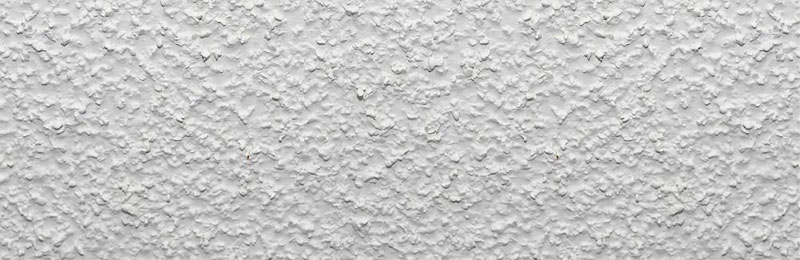
More and more homeowners are changing out their popcorn ceilings for a more modern look. The following are some helpful tips when it comes time to remove your popcorn ceiling.
Before You Begin You Need to Make Sure There is No Asbestos in Your Popcorn Ceiling
Prior to 1979, Asbestos was commonly used in construction. If your popcorn ceiling is that old, carefully scrape a sample, put it in a plastic baggie and get it tested. If Asbestos is present you should consult an expert on how to proceed.
Cost Factors of Removing Your Popcorn Ceiling
Labor is the major cost in this project. Other costs include a scraper, sanding material, drop cloths and any refinishing material.
Steps to Remove Your Popcorn Ceiling
Removing your popcorn ceiling is easy, but can be a bit messy. Below are the steps to follow.
- Clear the roomRemove all furniture in the room and anything else that might impede your ability to reach the ceiling.
- Mask and cover the walls and floor.Use plastic to mask the walls to prevent any water or material from ruining anything hanging. Use a waterproof drop cloth on the floor. As you scrape the popcorn it will fall to the floor and anything not covered will be covered in the wet clumpy popcorn residue.
- Make sure there is proper ventilationAdd a floor fan to make sure there is good airflow and you aren't breathing in any unnecessary particles. Wearing a dust mask and safety glasses is always a good precaution.
- Wet the popcornTo make it easier to scrape off, wet approximately a 4 foot by 4 foot area of the ceiling using a garden sprayer. Saturate by using a couple passes so as not to damage the drywall.
- Scrape the popcornScrape the wet popcorn using a popcorn scraper or large putty knife. Some popcorn scrapers have bags that catch the popcorn making clean up easier. If your popcorn does not easily come off, wet the area some more and try again. Repeat the wet and scrape steps in 4 foot by 4 foot squares until your ceiling is finished.
- Sand and refinishSand the ceiling to remove any small imperfections left. If your ceiling is in good condition you might be able to go straight into painting at this point. If not, you will need to fix any seams and add a coat of topping compound to even out your ceiling finish. After applying the topping compound, give it a sanding to give it a good finish. From here you can either paint or re-texture your new ceiling.
Want to estimate your home improvement costs before talking with a contractor? Claim your home for free with bluehammer to estimate costs, secure your home inventory and learn more about your home.
* THIS REPORT IS AN OPINION THAT MAY BE INACCURATE AND IS PROVIDED SOLELY AS AN INFORMATIONAL TOOL NOT DESIGNED TO PROVIDE DEFINITIVE ANSWERS. ALL ELEMENTS ARE OFFERED "AS IS" AND BLUEBOOK EXPRESSLY DISCLAIM ANY AND ALL WARRANTIES, REPRESENTATIONS, AND GUARANTEES OF ANY NATURE, EXPRESS, IMPLIED OR OTHERWISE, INCLUDING BUT NOT LIMITED TO ANY IMPLIED WARRANTIES OF MERCHANTABLITILY, NONINFRINGEMENT, TITLE, QUIET ENJOYMENT, ACCURACY, OR FITNESS FOR A PARTICULAR PURPOSE. IN NO EVENT SHALL BLUEBOOK (OR THEIR SUPPLIERS) BE LIABLE FOR ANY GENERAL, DIRECT, SPECIAL, INCIDENTAL, INDIRECT OR CONSEQUENTIAL DAMAGES OF ANY KIND, OR ANY DAMAGES WHATSOEVER (INCLUDING WITHOUT LIMITATION, THOSE RESULTING FROM USE OF THE PRODUCT, INCLUDING : (1) RELIANCE ON THE MATERIALS PRESENTED, (2) COSTS OF REPLACEMENT GOODS, (3) LOSS OF USE, DATA OR PROFITS, (4) DELAYS OR BUSINESS INTERRUPTIONS, (5) AND ANY THEORY OF LIABILITY, ARISING OUT OF OR IN CONNECTION WITH THE USE OR PERFORMANCE OF INFORMATION) WHETHER OR NOT BLUEBOOK HAS BEEN ADVISED OF THE POSSIBILITY OF SUCH DAMAGES.