Replacing Your Washing Machine
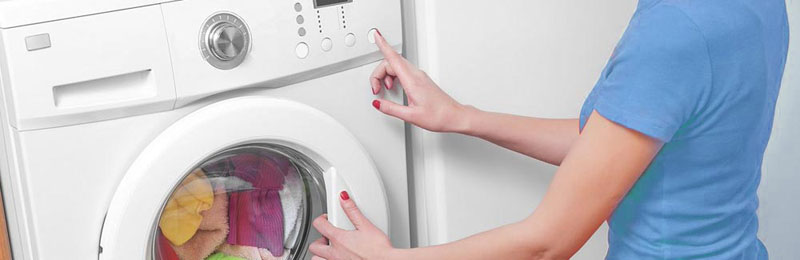
With moving parts, water and dirt, washing machines perform some tough work. The following are some helpful tips when it comes time to replace your washing machine.
Cost Factors of Replacing Your Washing Machine
Unless you are putting your new washing machine in a different area, the biggest factor in the project cost of replacing your washing machine is the cost of the appliance itself. Washing machines come in all types, sizes and features from economy to designer. Below are the main cost factors in the project of replacing your washing machine.
- Removal of the old washing machine
- Purchase, delivery and installation of the new washing machine
- Installing water and drain lines (if applicable) and the material costs
- Hauling away and disposing of the old washing machine
Types of Washing Machines
Washing machines generally come in two types, top loading and front loading. Within these types there are ranges of quality and features that can drive up the price. Given the same quality, front loading washing machines are usually more expensive than top loading ones and give you the ability to stack your washer and dryer if you are short on space. They also clean your laundry better overall. When buying your washing machine, the biggest cost factor will be the quality of the appliance (economy-designer) you choose.
Removing Your Old Washing Machine
Follow the steps below to remove your existing washing machine. It's always a good idea to have a few bath towels on hand when disconnecting water lines.
- Unplug your washing machine
- Turn off your water and disconnect your water supply hoses from your wallYour hot and cold water lines are connected from your washing machine to your wall. With the water off, unscrew the lines from the wall.
- Remove the drain hoseThis is usually inserted in a standpipe or laundry sink
- Slide out your washing machineRemove your washing machine from its area. Once you have access to the back, unscrew and remove the water supply lines from the appliance. You can re-use these with your new machine.
Installing Your New Washing Machine
Follow the steps below to install your new washing machine
- Inspect old water linesIf they are in good condition you can re-use them. When in doubt replacing your water lines will give you peace of mind when it comes to future leak potential.
- Screw the water lines into the back of the washing machineYou want to do this while you have access to the back. Make sure you note which hose is attached to the hot and which is attached to the cold.
- Attach the water lines to the wallMaking sure to attach the cold to cold and hot to hot.
- Put your new drain hose backThis will go where you removed the old one, usually in a standpipe or laundry sink.
- Move your new washing machine into placeAs you slide your washing machine into place, make sure the appliance is level and stable.
- Plug in your appliance and test itCheck for overall operation and if there are any leaks
Want to estimate your home improvement costs before talking with a contractor? Claim your home for free with bluehammer to estimate costs, secure your home inventory and learn more about your home.
* THIS REPORT IS AN OPINION THAT MAY BE INACCURATE AND IS PROVIDED SOLELY AS AN INFORMATIONAL TOOL NOT DESIGNED TO PROVIDE DEFINITIVE ANSWERS. ALL ELEMENTS ARE OFFERED "AS IS" AND BLUEBOOK EXPRESSLY DISCLAIM ANY AND ALL WARRANTIES, REPRESENTATIONS, AND GUARANTEES OF ANY NATURE, EXPRESS, IMPLIED OR OTHERWISE, INCLUDING BUT NOT LIMITED TO ANY IMPLIED WARRANTIES OF MERCHANTABLITILY, NONINFRINGEMENT, TITLE, QUIET ENJOYMENT, ACCURACY, OR FITNESS FOR A PARTICULAR PURPOSE. IN NO EVENT SHALL BLUEBOOK (OR THEIR SUPPLIERS) BE LIABLE FOR ANY GENERAL, DIRECT, SPECIAL, INCIDENTAL, INDIRECT OR CONSEQUENTIAL DAMAGES OF ANY KIND, OR ANY DAMAGES WHATSOEVER (INCLUDING WITHOUT LIMITATION, THOSE RESULTING FROM USE OF THE PRODUCT, INCLUDING : (1) RELIANCE ON THE MATERIALS PRESENTED, (2) COSTS OF REPLACEMENT GOODS, (3) LOSS OF USE, DATA OR PROFITS, (4) DELAYS OR BUSINESS INTERRUPTIONS, (5) AND ANY THEORY OF LIABILITY, ARISING OUT OF OR IN CONNECTION WITH THE USE OR PERFORMANCE OF INFORMATION) WHETHER OR NOT BLUEBOOK HAS BEEN ADVISED OF THE POSSIBILITY OF SUCH DAMAGES.